


I’ve been reading up on macros lately and it got me to thinking.
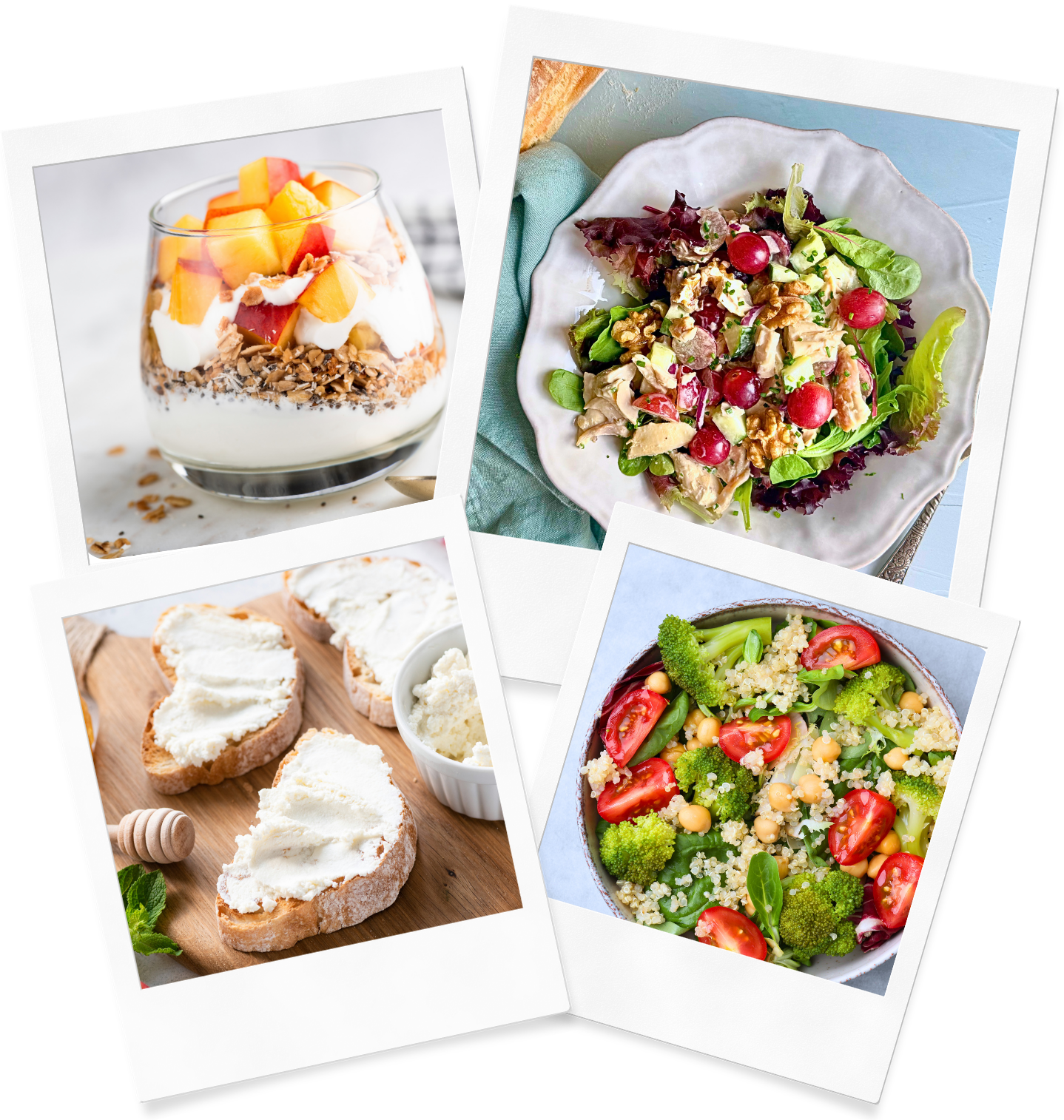
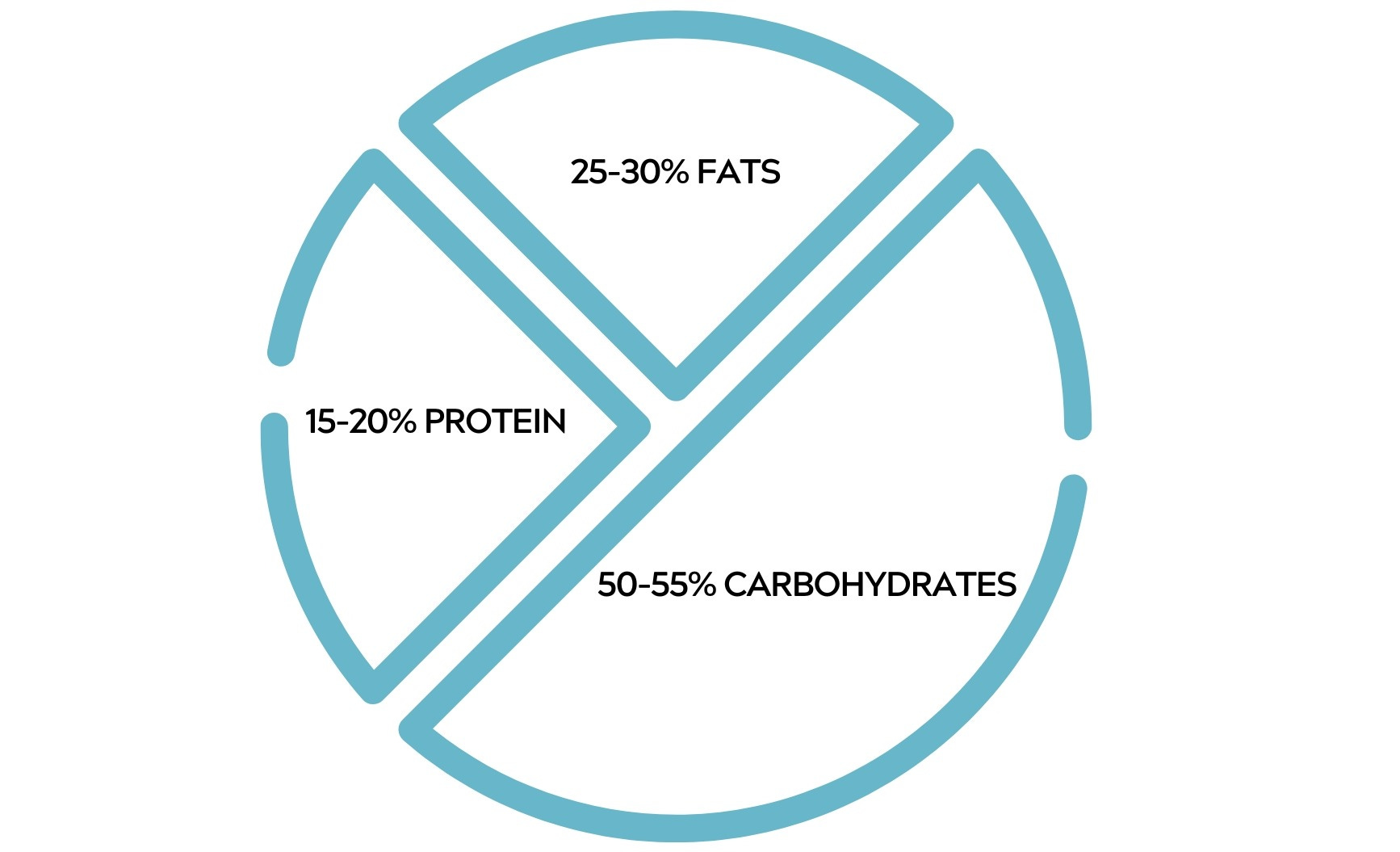
Every week, my Healthy Menu Meal Plan mirrors the macro balance set out in the Mediterranean diet guidelines — roughly 50-55% healthy carbs, 15-20% healthy protein, and 25-30% healthy fats.
I build it that way on purpose, so you don’t have to think about it.
But I also do it so that, over time, you can start building your own healthy meal plans every day with food combinations you like best.
And I hope that this weekly email keeps you inspired and on track.
love me and, maybe, leave me
It might seem counterintuitive to my own self-interests, but my goal here is to make sure you don’t have to subscribe to my newsletter forever. Just long enough to help you learn how to follow this diet.
Of course, I’m thrilled if you want to stick around for new weekly menus, the latest health information and yummy healthy recipes - but I hope you also think of the weekly meal plan PDF as the tool I want it to be.
So instead of the usual newsletter format - sharing the healthy details of one particularly healthy ingredient - today’s issue is really for the days you’re on your own - or if you just want to understand the “why” behind what’s on your plate.
It’s all about those macros.
why bother to keep track (or not)
Macros — protein, carbs, and fat — are the three building blocks that everything you eat is made of, in different proportions.
Why bother paying attention to them at all?
Because the ratio matters almost as much as the total calories: enough protein keeps you full and preserves muscle, the right carbs give you the fuel you need, healthy fats support pretty much everything else your body and brain does.
Get that balance roughly right and a lot of other things — energy, appetite, how your clothes fit and how you feel in them — tend to sort themselves out.
The key word there is roughly. Nobody needs to nail their macro ratio on any single day. The value shows up over weeks and months, not in a single Saturday lunch.
so how can you figure out what’s right for you?
Every body at every age has different macro requirements. But there is a simple tool you can use to find out how much is appropriate for you. I found it during my classes at Stanford School of Medicine.
It’s called the USDA’s DRI Calculator for Healthcare Professionals. It’s free. It takes about 5 minutes max. And even though it’s built for professionals, you can use it too. Just a little input: sex, age, height, weight, level of physical activity - and you can get a snapshot of all the recommended macros and nutrients that fit you personally.
Once you have that, you’re pretty much ready to go. Well, almost ready…
keeping it simple, not stressful
For most of us, macro tracking brings up visions of food scales, spreadsheets, weighing out 4 ounces of chicken breast or 6 ounces of salmon.
If you’ve ever tried it and burned out after a week or two, that’s not a willpower problem — it’s just a sign the system you were using was too rigid to live with and - more importantly - learn from.
So let’s simplify things.
one macro at a time
There’s no rule that says you have to track protein, carbs, and fat from day one. Protein’s the one worth starting with since it’s the biggest lever for staying full and keeping your muscles happy. And maybe that’s why it is such a media darling these days.
Give yourself a week or two of just paying attention to that before you even think about layering in the rest. Let it become second nature first.
close is good enough
Let go of the idea that you need to hit your numbers exactly every day. Landing within 5 to 10 grams of your targets on most days is just fine. The people who stick with this long term aren’t the ones who nail it perfectly every day — they’re the ones who let a messy day be a messy day and just pick back up at the next meal.
If you go out to dinner or end up somewhere you didn’t plan, do your best guess and move on. Nobody’s progress was ruined by one meal.
apps help, but they aren’t required
An app like MyFitnessPal can take the manual math out of it if you want a shortcut. But I don’t think you need to be tracking with that kind of precision to eat well. It’s a nice-to-have for people who like the data, not something you need to lean on.
The Journal Tracker & Resource pages I provide in each week’s PDF is probably plenty to give you a personal baseline to follow. And all you need is a pencil.
the easiest system is the one you don’t need
The meal plans and recipes in my Substack are already built around Mediterranean diet principles, with the macro balance worked out on the back end.
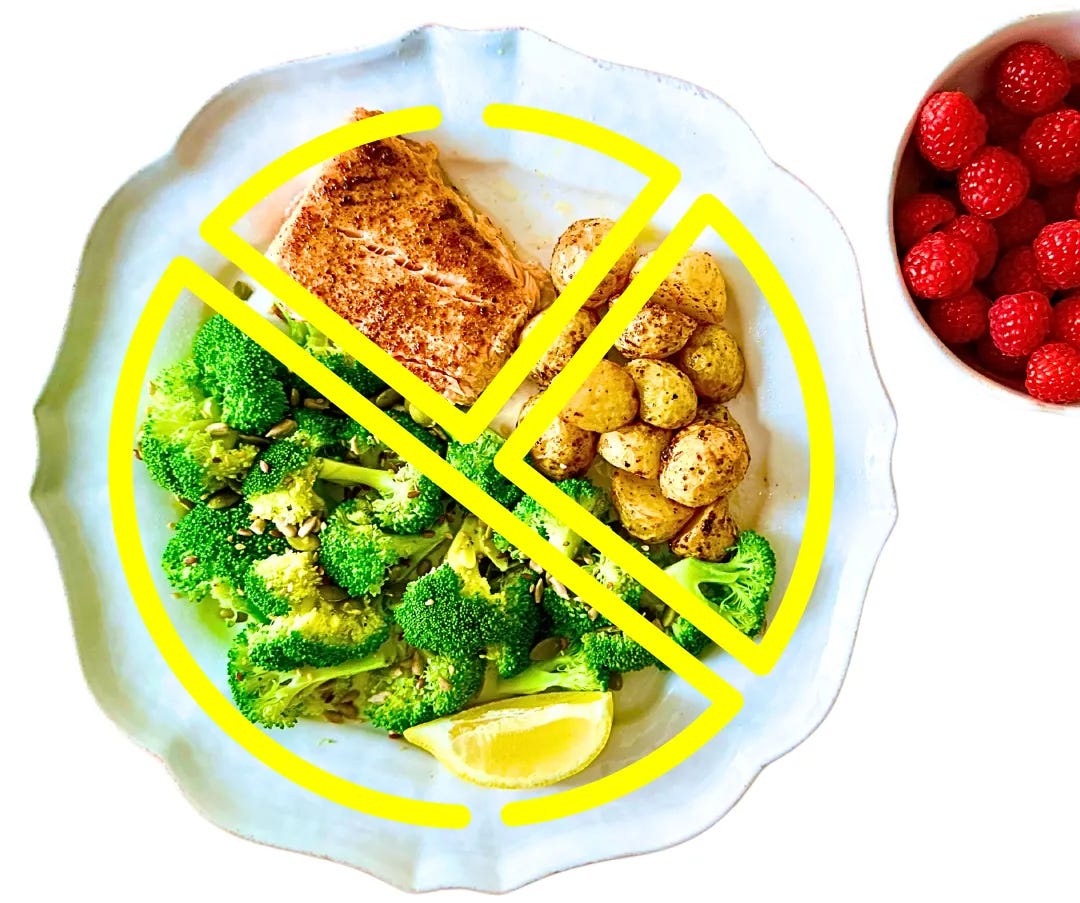
You get the benefits of eating in a way that actually supports your goals without ever opening an app, weighing a chicken breast, or thinking about grams at all. And most importantly, you learn to recognize what a healthy plate looks like.
So I hope you’ll follow along with me as long as it helps you find your own way. Just think of me (and the newsletter) as the person steadying the back of that bicycle seat while you start to pedal without the training wheels.
If you’re already a paid subscriber, you already know how much I value your support. Thanks for being part of this community. And if you’re looking for a buddy to help you get the hang of following the Mediterranean diet, this could be a very good week to see what you’ll be getting.
But right now, it’s time to pull up a chair, grab a glass or cup, and join me in my Mediterranean kitchen while we work our way from one flavor-packed meal to another.
