

mediterranean diet: healthy menu meal plan #70
when a grain isn't really a grain

It started with one bag of farro from the Mercado Central in Alicante a few years ago.
I’d been reading about ancient grains — the ones that had been feeding civilizations for thousands of years before white flour showed up and took over — and I just wanted to see what all the fuss was about.
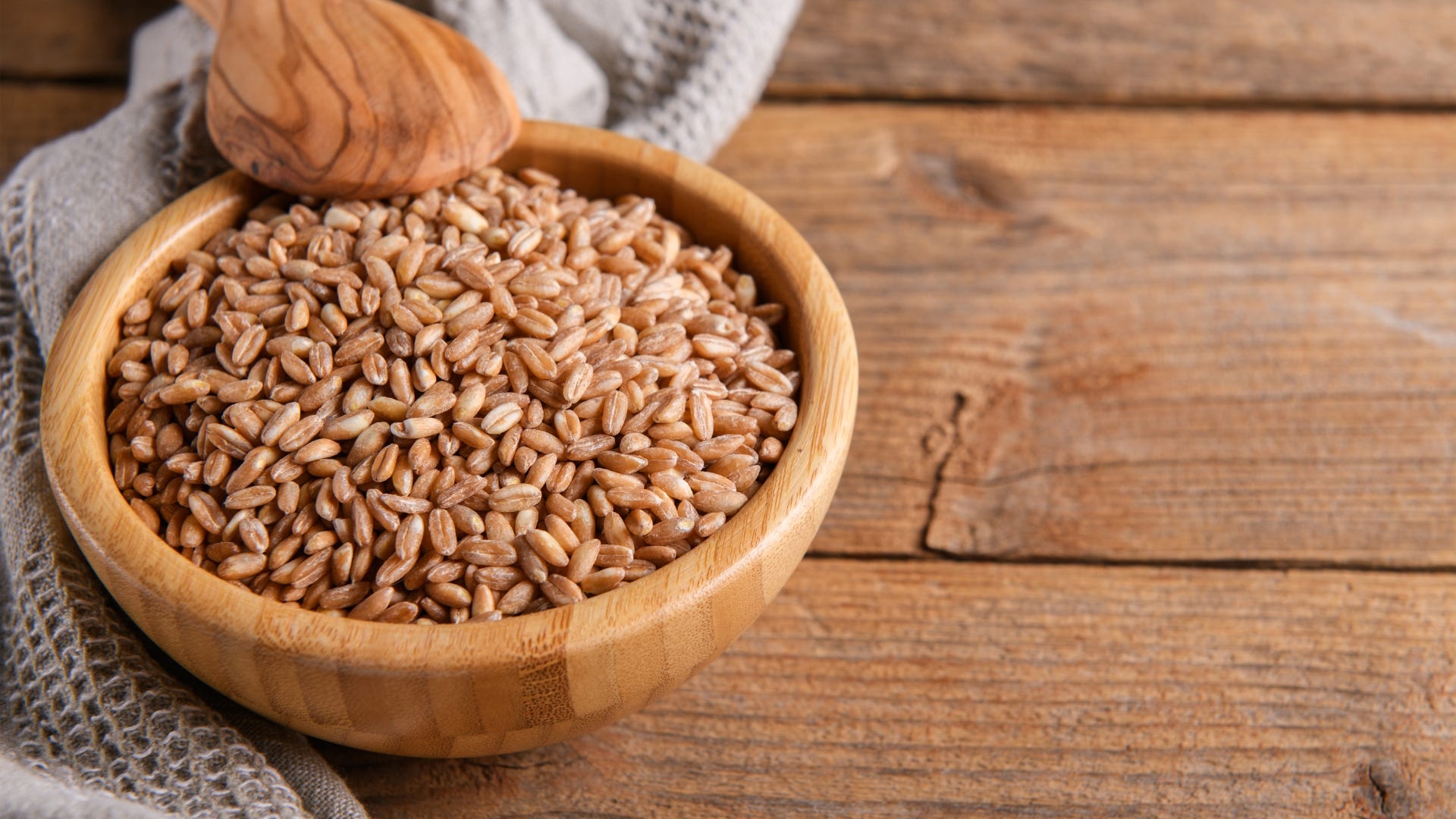
So I grabbed the farro, brought it home, loved it, and went back for more. Freekeh next. Then teff. Then millet, sorghum, amaranth. Then three kinds of quinoa, because why not? Then buckwheat — raw and toasted, because again, why not?
The result? I published a very popular YouTube video all about the fundamentals of grains (just click if you want to watch it) and how they fit into a Mediterranean diet and gave up an entire drawer in my little Mediterranean kitchen to stockpile an embarrassing assortment.
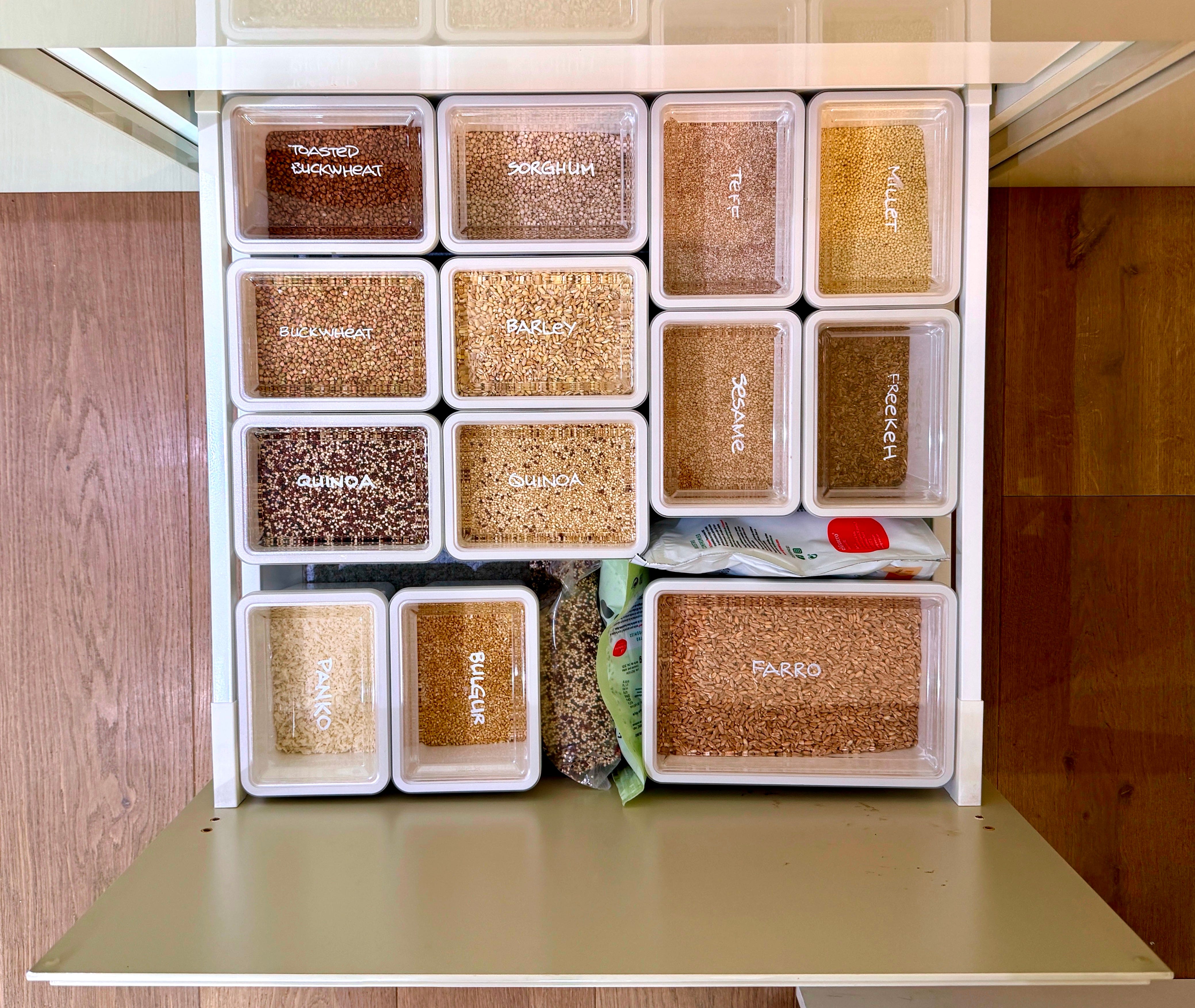
If you follow me on social, you may have already seen it. Every container labeled, every ancient grain I’ve tested lined up and accounted for. George has learned to just walk past that drawer without comment.
But honestly, it serves a purpose. When they’re right in front of me, it makes it a lot easier to grab-and-go.
And here’s what I’ve learned from 2 years of playing with all of them: these grains aren’t health food novelties. They’re not complicated. And once you get to know them, they’re genuinely delicious — each one with its own personality, its own flavor, its own story.
Today I want to tell you about the one that surprised me most.
Buckwheat.
what makes it work
Here’s what I didn’t know about buckwheat: it’s not wheat. Not even close. It’s actually the seed of a flowering plant — a relative of rhubarb and sorrel — and it’s been cultivated for over 8,000 years across Russia, Eastern Europe, and Japan - where it is ground and shaped into one of my favorite “pastas”, soba noodles.
The name is misleading, the plant is fascinating, and the flavor is unlike anything else in that drawer of mine.
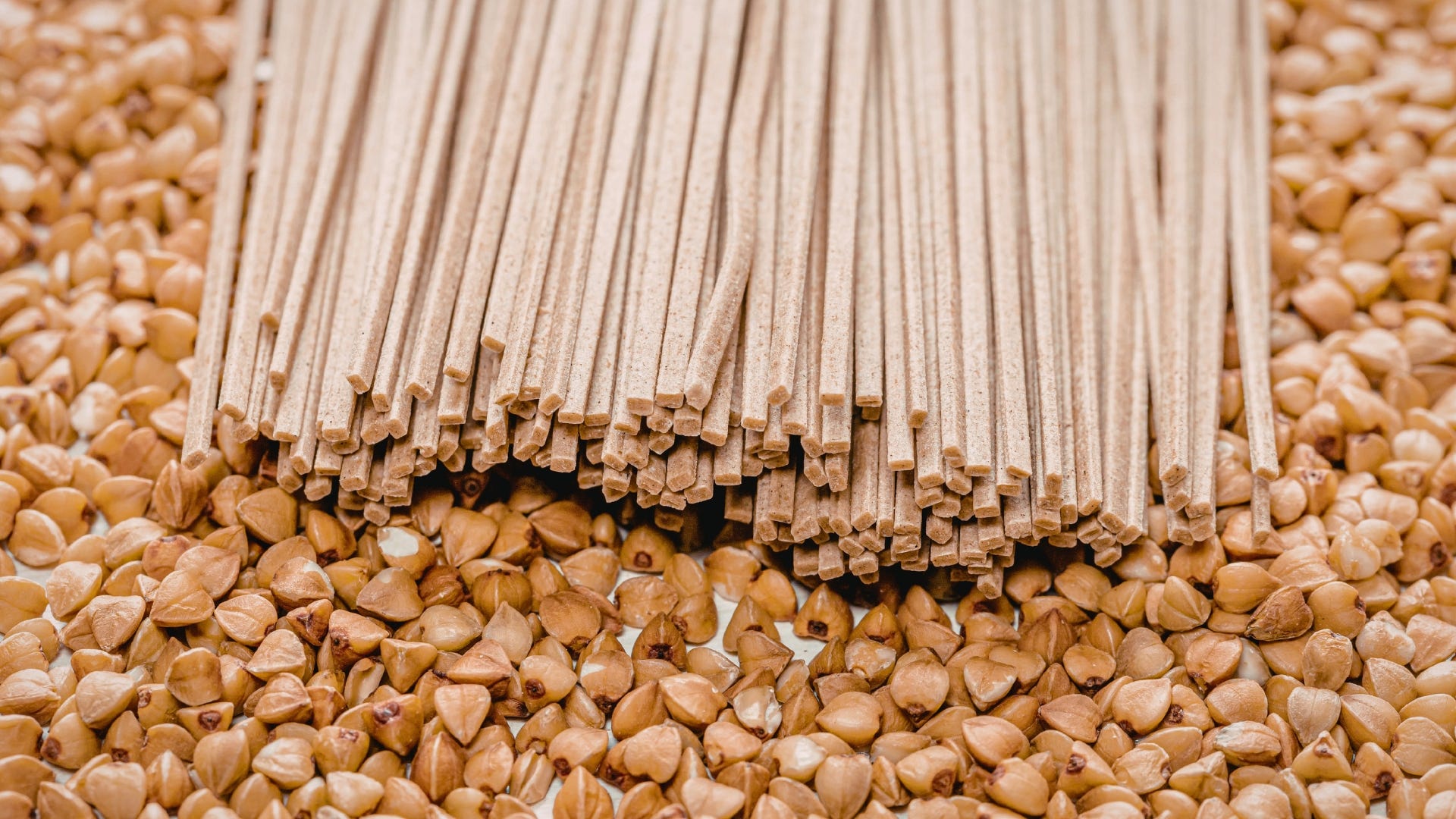
What makes buckwheat worth knowing for anyone following a Mediterranean-style diet is the full package it delivers.
It’s one of the very few plant foods that contains all nine essential amino acids, making it a complete protein by plant standards — something most grains simply can’t claim.
It’s also rich in rutin and quercetin, two anti-inflammatory flavonoids that don’t get nearly enough attention, and a solid source of magnesium, manganese, and copper, all important for heart health and bone density.
And because it has a lower glycemic index than conventional wheat, rice, or pasta, it releases energy more slowly and evenly — no spike, no crash. Oh, and it’s naturally gluten-free, which makes it genuinely helpful for anyone navigating that particular challenge.
what to do with it
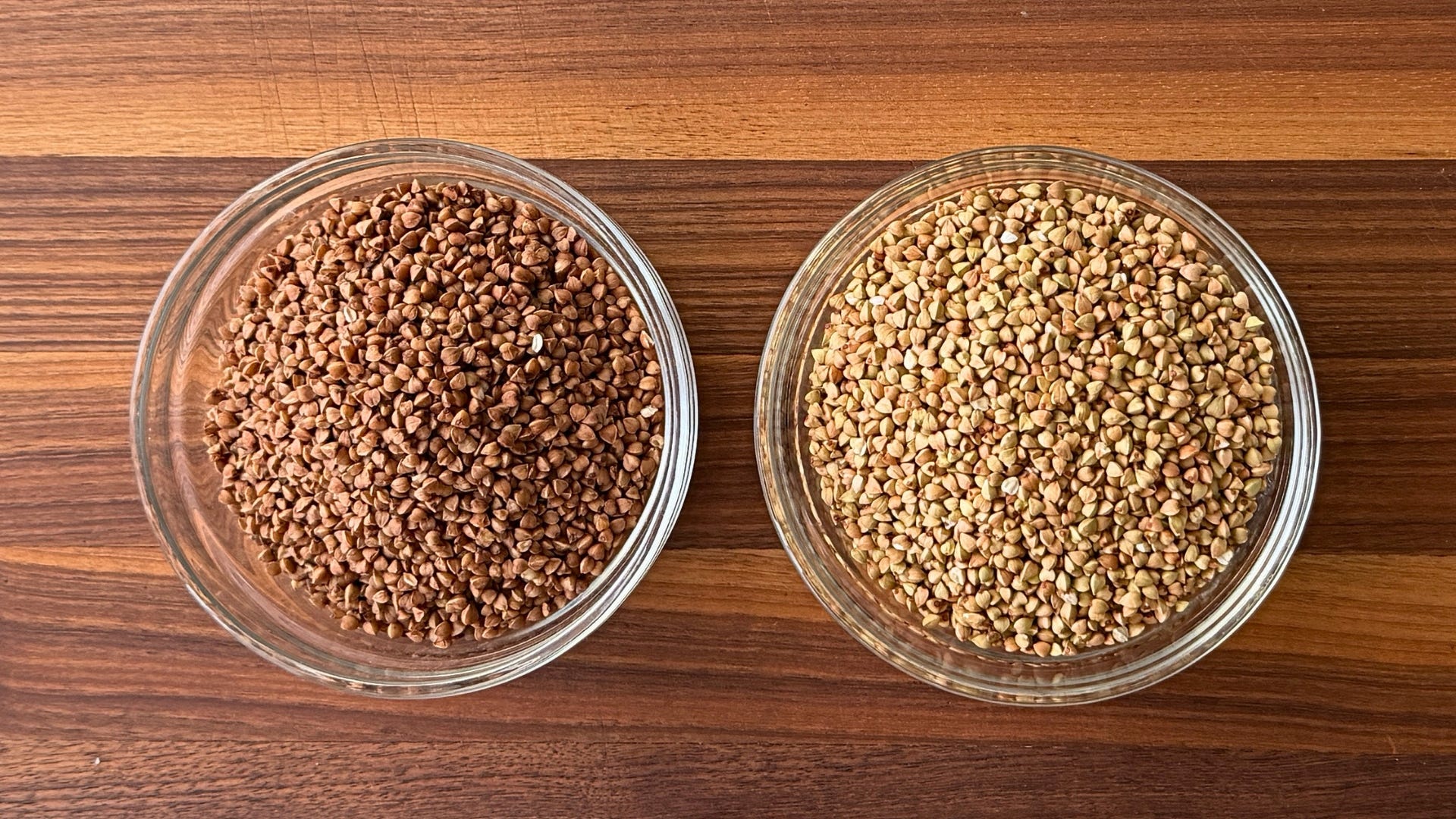
I keep two versions on hand. Raw buckwheat groats are pale, mild, and gently nutty — wonderful for porridge or ground into flour for blinis or crepes. Toasted buckwheat, called kasha, is a completely different animal: darker, earthier, more robust, with a flavor assertive enough to hold its own against bold ingredients like feta, artichokes, and good olive oil.
That’s the version I’ve been cooking with this spring, and it’s what you’ll find in today’s recipe.
how it fits in today’s menu
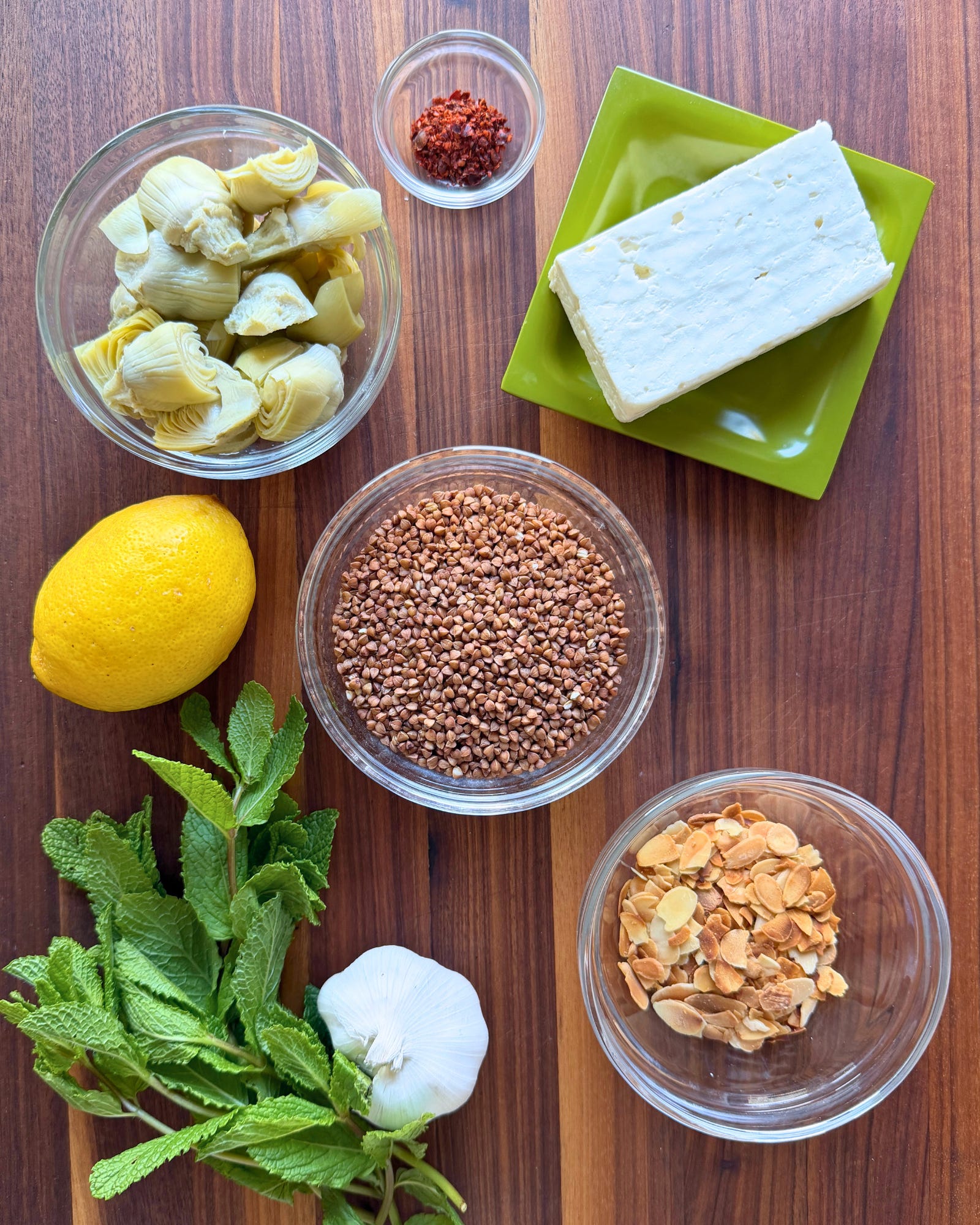
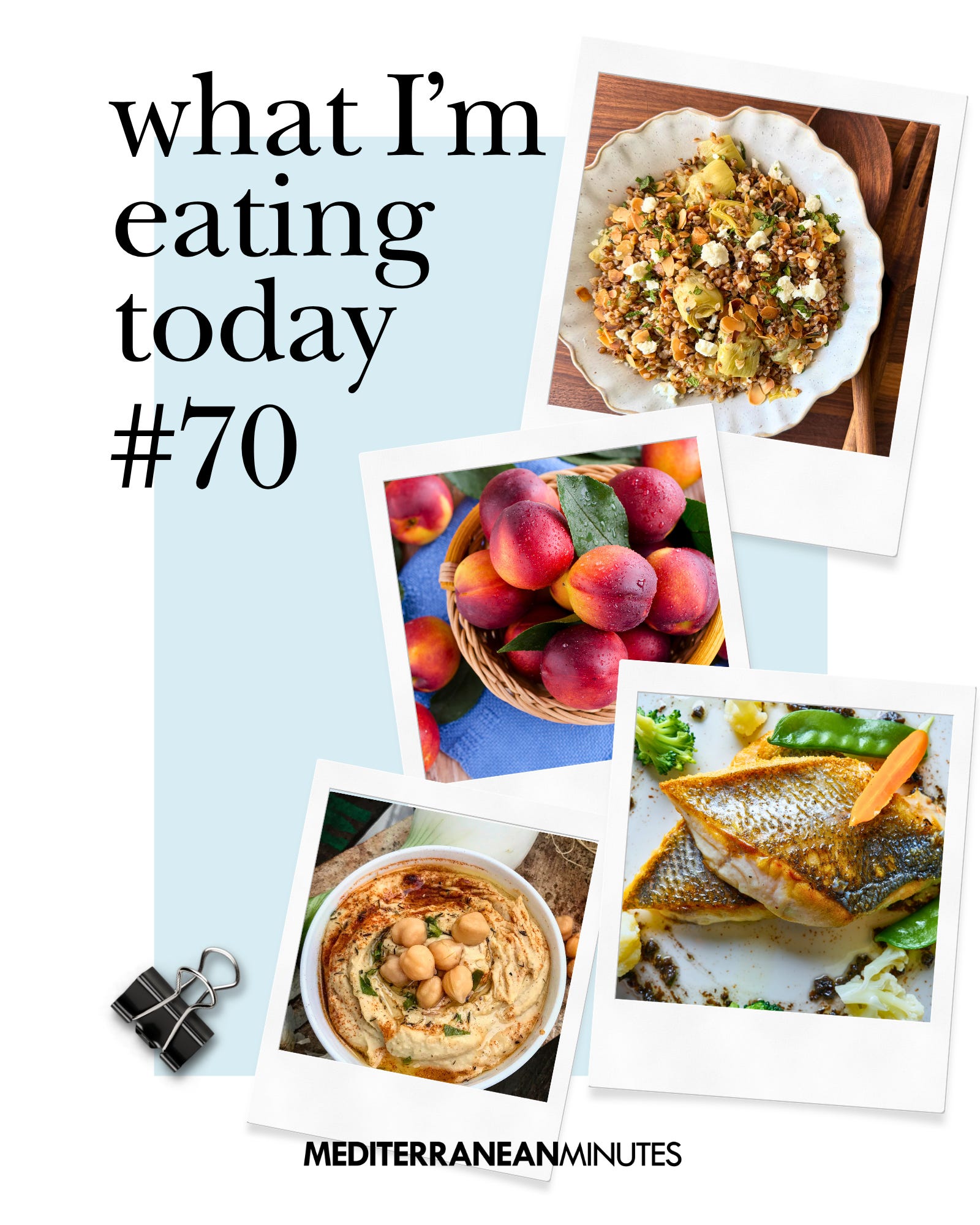
Today’s menu builds the ancient grains theme from morning to night — starting with overnight oats at breakfast as a familiar, approachable entry point, and arriving at lunch with the main event: a Buckwheat, Artichoke & Feta Salad with toasted almonds, fresh mint, and a whisper of Aleppo chile, alongside a lemon-herb chicken fillet and a simple sautéed vegetable side. Little rye crackers for the afternoon snack. Dinner keeps things light and seasonal — baked sea bass, roasted baby potatoes, a crisp green salad.


As always, you’ll find a few extra treats in the PDF besides the meal plan I promised you (mostly because I just can’t help myself). When I can, I’ll reach into the archive so that you don’t have to go hunting around.
If you’re already a paid subscriber then you know these little extras show up almost every week as a small bonus to show my appreciation for your support. If you haven’t yet had the chance to join us, what are you waiting for?
But right now, it’s time to pull up a chair, grab a glass or cup, and join me in my Mediterranean kitchen while we work our way from one flavor-packed meal to another!
