

mediterranean diet: healthy menu meal plan #81
breakfasts of champions

There’s a question I get asked a lot, and I want to answer it before I do anything else.
Does a dish have to come from the Mediterranean to count as Mediterranean?
No. It doesn’t.
The Mediterranean diet is about how you eat, not where a recipe was invented. It’s about fresh whole foods, the right balance of protein, fiber, and healthy fats, and keeping things simple enough to actually do every day. All through the day. Every time you sit down to eat. From morning to night.
That’s the whole point of this week.
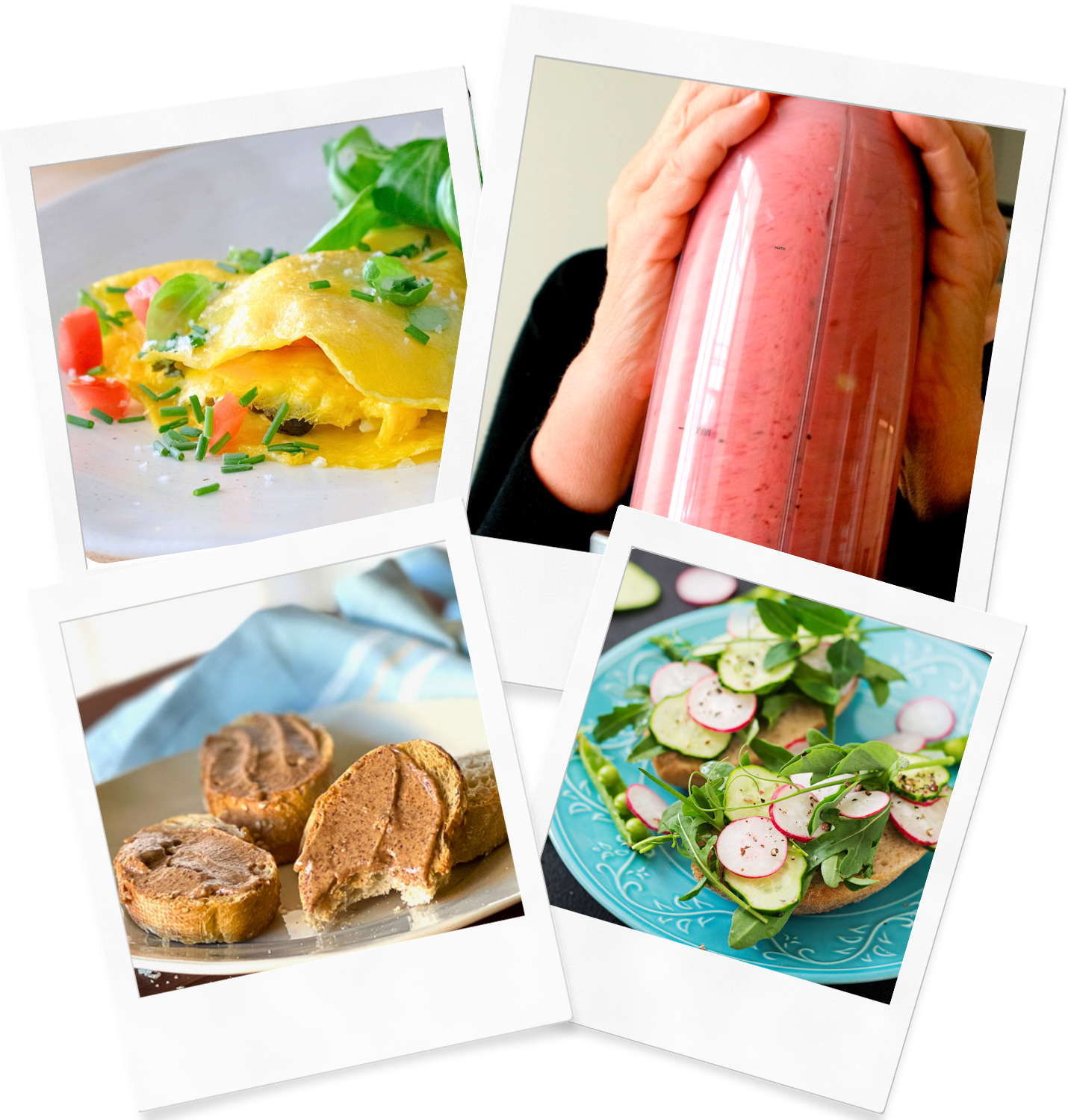
A smoothie made with yogurt, banana, and a handful of zucchini is every bit as Mediterranean as a plate of hummus — maybe more so, because you made it yourself with real ingredients.
And since starting the day off right is the single most important thing you can do to help yourself maintain a plan to reach your own healthy goals, I want to focus for a minute on breakfast and how it fits into a Mediterranean diet plan.


why it’s so important
Breakfast matters more than most people give it credit for. Not because skipping it is catastrophic — though it does tend to lead to overeating later — but because getting it right sets the tone for everything that follows. When you start with the right balance of nutrients, you have energy, you’re not hungry by 10am, and you’re far less likely to reach for something you’ll regret before lunch. It is the most important meal of the day. And the Mediterranean diet makes it remarkably easy to get right.
what makes it work
A good Mediterranean breakfast does three things: protein, fiber, and healthy fats. Together, these three keep you energized and genuinely full until lunch — no 10am slump, no reaching for something you’ll regret.


Protein gives you the energy to power through the morning and helps manage blood sugar from the first meal of the day. In the Mediterranean diet, breakfast protein comes from yogurt, kefir, eggs, beans, cheese, nuts and nut butters. Greek yogurt and kefir in particular are not only high in protein but full of probiotics that do good things for your gut over time. A simple bowl of yogurt with fruit and nuts delivers more protein than most people realize — and takes about ninety seconds to put together.


Fiber slows digestion, keeps you feeling full longer, and makes weight management considerably easier. Whole grain toast, overnight oats, fresh fruit, and vegetables are all excellent fiber sources at breakfast — and yes, that includes the zucchini hiding in your smoothie.


Healthy fats round out the picture. Extra virgin olive oil, avocado, nut butters, nuts, and full-fat dairy all belong at the breakfast table. They’re not the enemy. They’re the reason breakfast actually keeps you going.
what to reach for
The good news is that the Mediterranean pantry makes all of this easy. Keep a few things stocked and ready — plain whole milk yogurt, eggs, whole grain bread, almond butter, hummus, seasonal fruit — and a healthy breakfast is never more than five minutes away. The challenge isn’t knowing what to eat. It’s having the ingredients on hand when you need them.
I made a whole video about building a healthy Mediterranean breakfast — including smoothies, toast treats, meal prep shortcuts, and a few morning habits worth breaking. And I’ve put together a free Mediterranean Breakfast Basics PDF to go alongside it, with ingredient lists, recipe ideas, and everything you need to stock your morning kitchen. Watch the video, download the bonus PDF below, or do both — it’s all there for you.
how it fits in today’s menu
In the summer, this smoothie is part of my morning almost every day.


When it’s hot — and in Alicante from June to August, it’s pretty hot — the last thing I want is something warm and cozy. A cold, thick smoothie loaded with whatever’s in the fridge is just such a refreshing way to start the day. Come winter, I move on to something warmer. But right now, this is it.
The genius of this recipe is what’s hiding in it. Zucchini. Cauliflower. Maybe beets. None of these things taste like themselves once they’re blended with frozen banana and yogurt — but they add fiber, nutrients, and creaminess that you simply won’t get any other way. The almond butter is optional but worth adding; it smooths out the edges, bumps up the protein and keeps you going longer than you’d expect from a smoothie.
And this is just one starting point. Once you have the basic formula — yogurt or kefir as the base, a frozen fruit for sweetness and texture, a hidden vegetable for nutrition, a nut butter for staying power, and whatever liquid brings it together — you can take it anywhere.
If all things green is your thing, a tropical smoothie swaps the banana for mango and adds a fistful of greens like watercress, spinach or kale and broccoli. The color can be a little off-putting (for me, anyway). The taste is not. With locally-grown mango, papaya, pineapple, and lime coming from Spain’s Canary Islands, it’s easy for me to shop “local” and whip together an island treat that’s so good it barely feels like breakfast.
The variables are yours. The formula is the thing to learn.
a note about today’s menu
This week’s menu is built around the breakfast theme — the smoothie to start, then light and largely no-cook from there. As always, the menus are built to satisfy a 2,000 calorie/day target squarely committed to the Mediterranean diet guidelines for balanced macros of 50-55% carbs, 15-20% protein and 25-30% healthy fats.
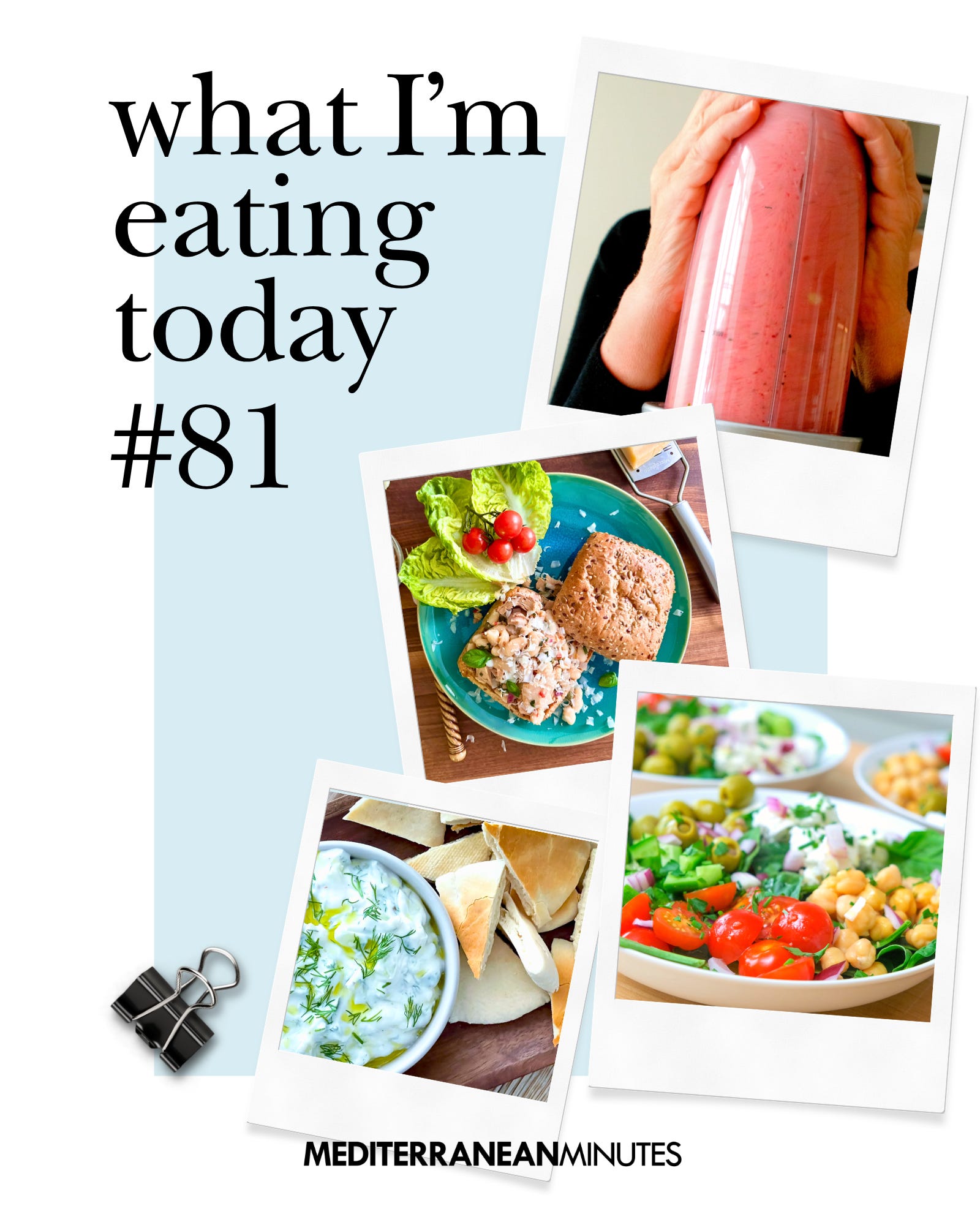
The full day comes in right around 1,950 calories with a macro split that sits squarely in Mediterranean range. Your complete menu, shopping list, and the bonus Breakfast Basics PDF are all in the download below.
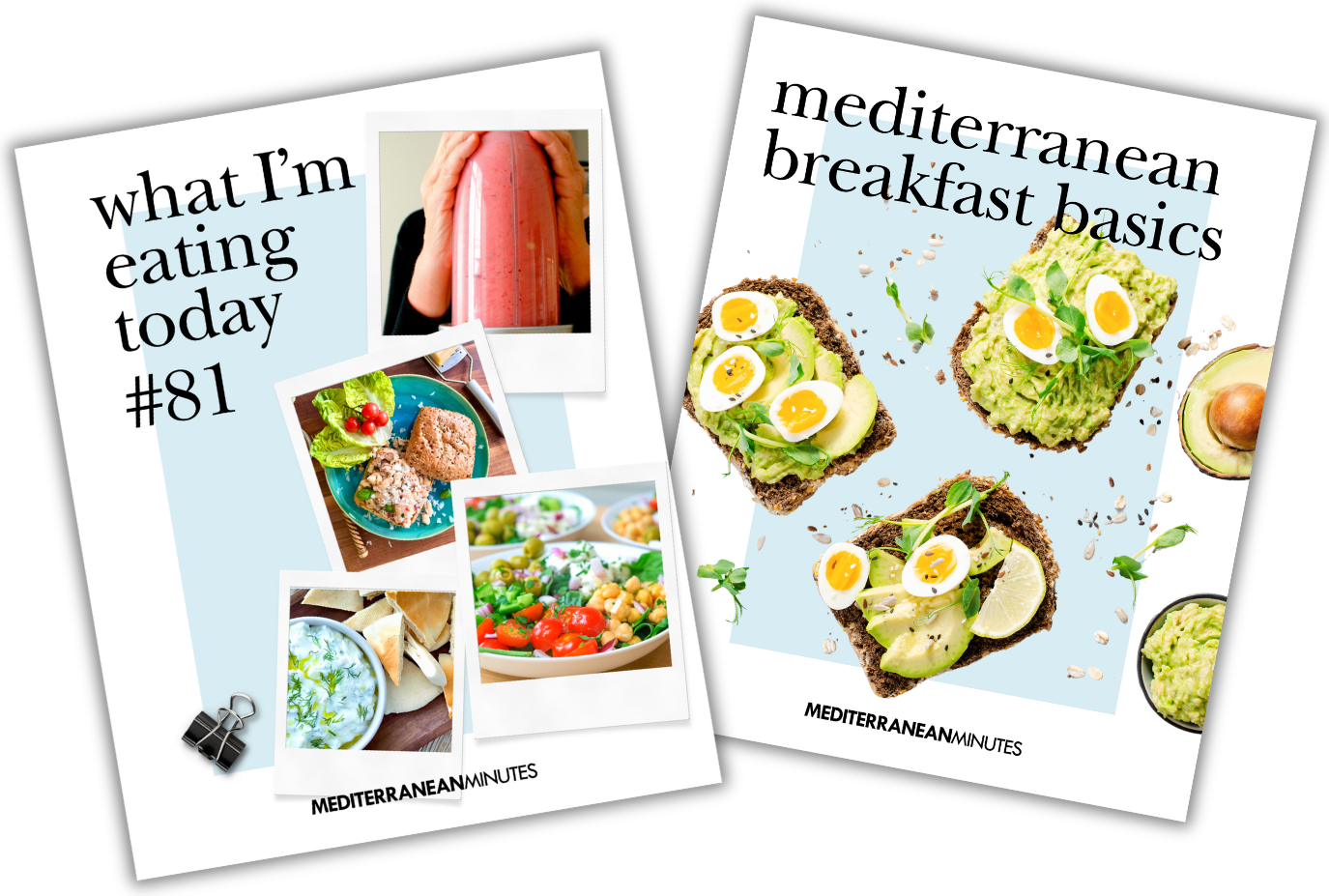
No matter whether you’re already a paid subscriber who knows these bonuses show up every week or somebody brand new to my Substack or reading it for free — the Healthy Menu Meal Plan PDF below is unlocked and has the full smoothie recipe, the complete day’s menu, and the shopping list. And as a bonus this week, the full Mediterranean Breakfast Basics guide is included — the same PDF that goes with the breakfast video, with everything from the three keys to a full morning pantry checklist.
If you’ve been reading the free issues and been on the fence about joining, this is a good week to experience what you’ll be getting every week as a supporter of my channel with a paid subscription — the recipes, the full menus, the shopping lists, the archive, and bonus content.
But for now, it’s time to download the PDFs, gather up your own breakfast goodies and come join me in my Mediterranean kitchen for the best possible start to the day.
The blender is ready. The banana is frozen. The zucchini is already chopped.

Disclaimer: The nutritional information provided in Mediterranean Minutes is intended for general guidance only and is not a substitute for personalized medical or dietary advice. Individual needs vary. Please consult a qualified health professional before making significant changes to your diet.