

mediterranean diet: healthy menu meal plan #83
the mediterranean microbiome

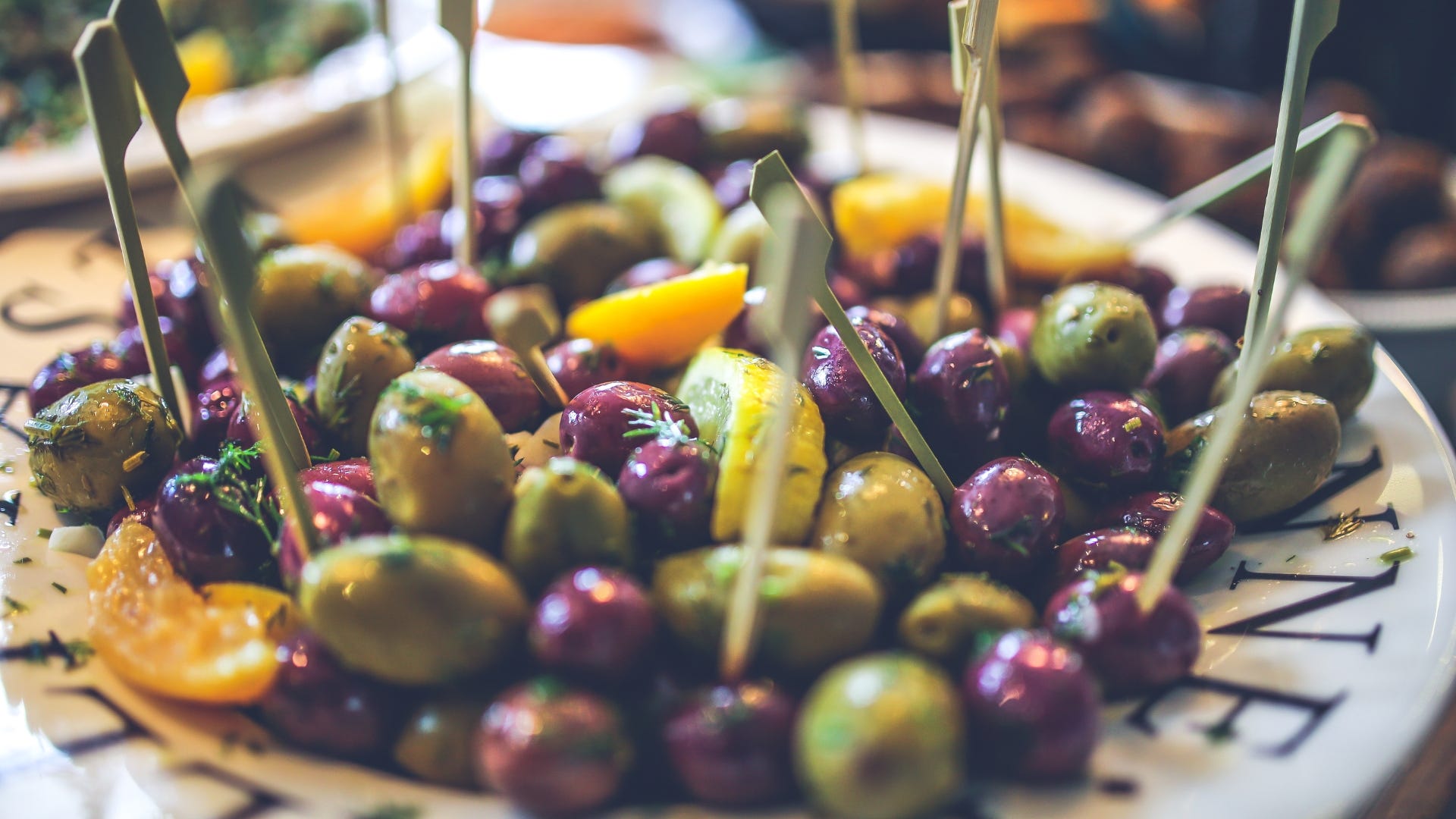
Until I started planning this newsletter, I’ve never thought about that fact that almost every Spanish restaurant starts the meal with a gut microbiome booster: the little bowl or platter of cured olives that appears as soon as you sit down to lunch or dinner.
Japanese cuisine might be best known for its love of all things fermented, but actually Spain and other countries bordering the Mediterranean sea are right up there too. It’s just easy to overlook.
So following my gut, I built this week’s healthy menu around a classic Spanish tapa — Ensaladilla Rusa, or Spanish potato salad — because I wanted to focus on something most people don’t associate with the Mediterranean diet at all. Fermented foods. And the role they play as part of a healthy diet.
the Mediterranean diet and gut health
I don’t want to just jump on a social media bandwagon, but research keeps pointing in the same direction: the community of bacteria living in your digestive system has a real influence on your immune function, your mood, your inflammation levels, and your long-term metabolic health.
A recent, lengthy article in the New York Times presented just how long and complicated a journey it is to understand what’s going on in your gut.
But one thing is fairly clear already. Feeding your gut with the right foods matters. And the foods that do it best are fermented ones — foods that have been transformed by bacteria, yeast, or time into something more complex than what they started as.
Before we get started though, I want to emphasize a word of caution. At-home fermentation can be fun and really rewarding when you follow basic food safety rules but dangerous if not done properly, so please do your homework if you decide to explore. Nowadays, for simplicity sake and to offload one more thing on my “to-do” list, my solution is to buy store-bought yogurt and kefir, store-bought pickled vegetables and sauerkraut, and miso paste.
the Mediterranean fermented pantry


Yogurt is the obvious one. It’s in a breakfast bowl, it’s in tzatziki, it’s in labneh. The live cultures in plain whole-milk yogurt are genuine probiotics — bacteria that survive the journey to your gut and contribute to the diversity of the microbial community there. Diversity is the thing you’re aiming for. A gut with a wide variety of bacterial species is a better-functioning gut.
Olives are, for the most part, fermented. Almost nobody thinks of them that way, but the curing process — whether in brine, salt, or oil — is a fermentation process, and traditionally cured olives carry beneficial bacteria along with all those healthy fats. The bland black olives you might be used to are not, in fact, fermented, they’re oxidized and canned.
The bowl of olives that shows up automatically when you sit down at a bar here isn’t just a snack. It’s a small act of gut maintenance kindness dressed up as a little way to wet your appetite.
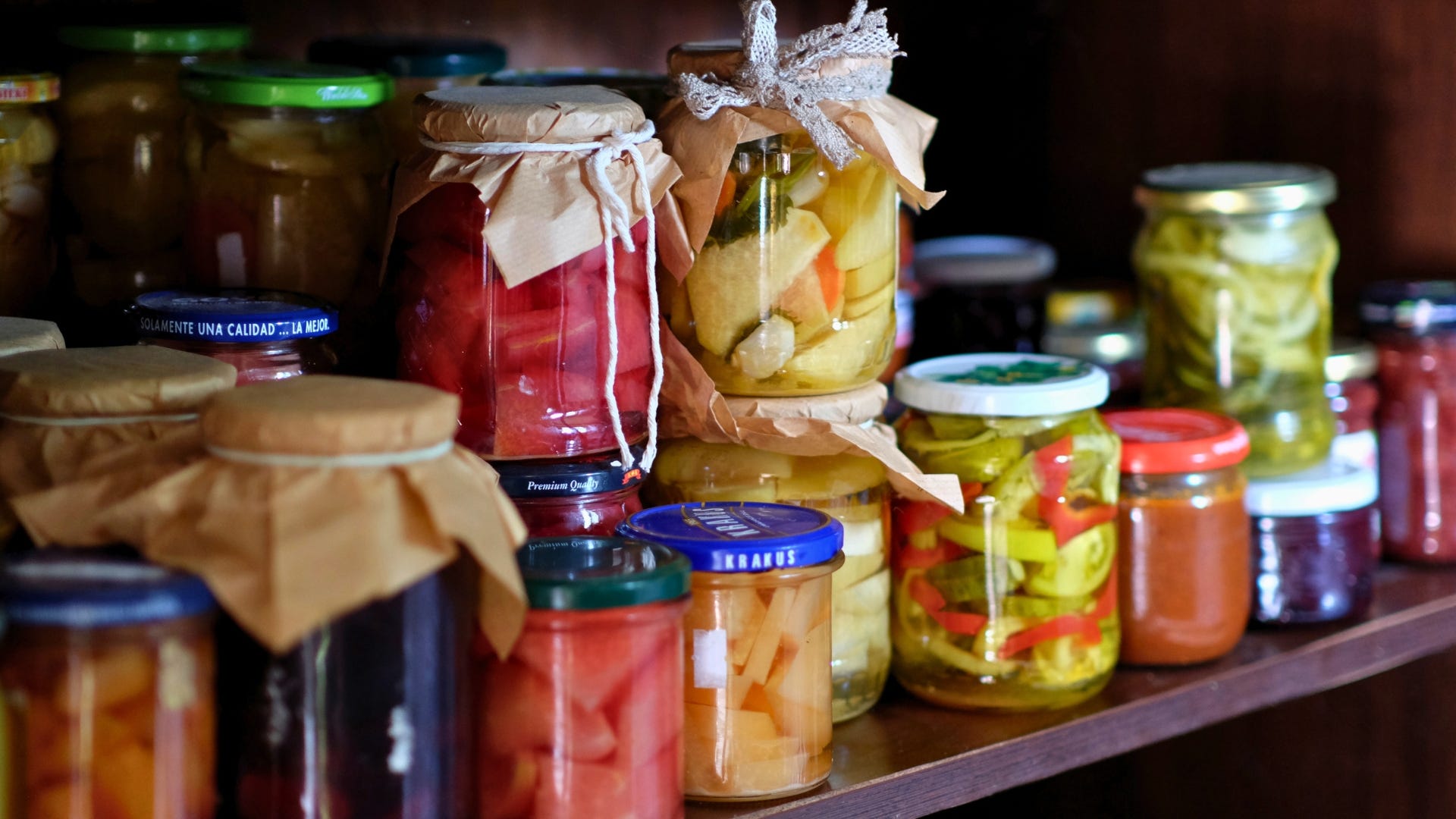
So are many of the “encurtidos” (pickled vegetables) — that appear as free tapas at bars all across Spain alongside a glass of wine or a cold beer. A little dish of pickled pearl onions, gherkins, olives and peppers. Nobody orders them. They just arrive.
And nobody here is thinking about their microbiome when they reach for one. They’re just eating the way people have eaten in this part of the world for a very long time.
That’s what I love about this. The health benefits aren’t there because they are a trendy way of eating. They’ve just been there so long, they‘re a part of the fabric.
this week’s recipe
The classic Spanish potato salad, or Ensaladilla Rusa — is one of the most beloved tapas in Spain. Every bar has its own version. Every family has its own version. And every version involves some version of potatoes, tuna, vegetables - pickled or not or both, and a generous hand with the garlic mayonnaise.
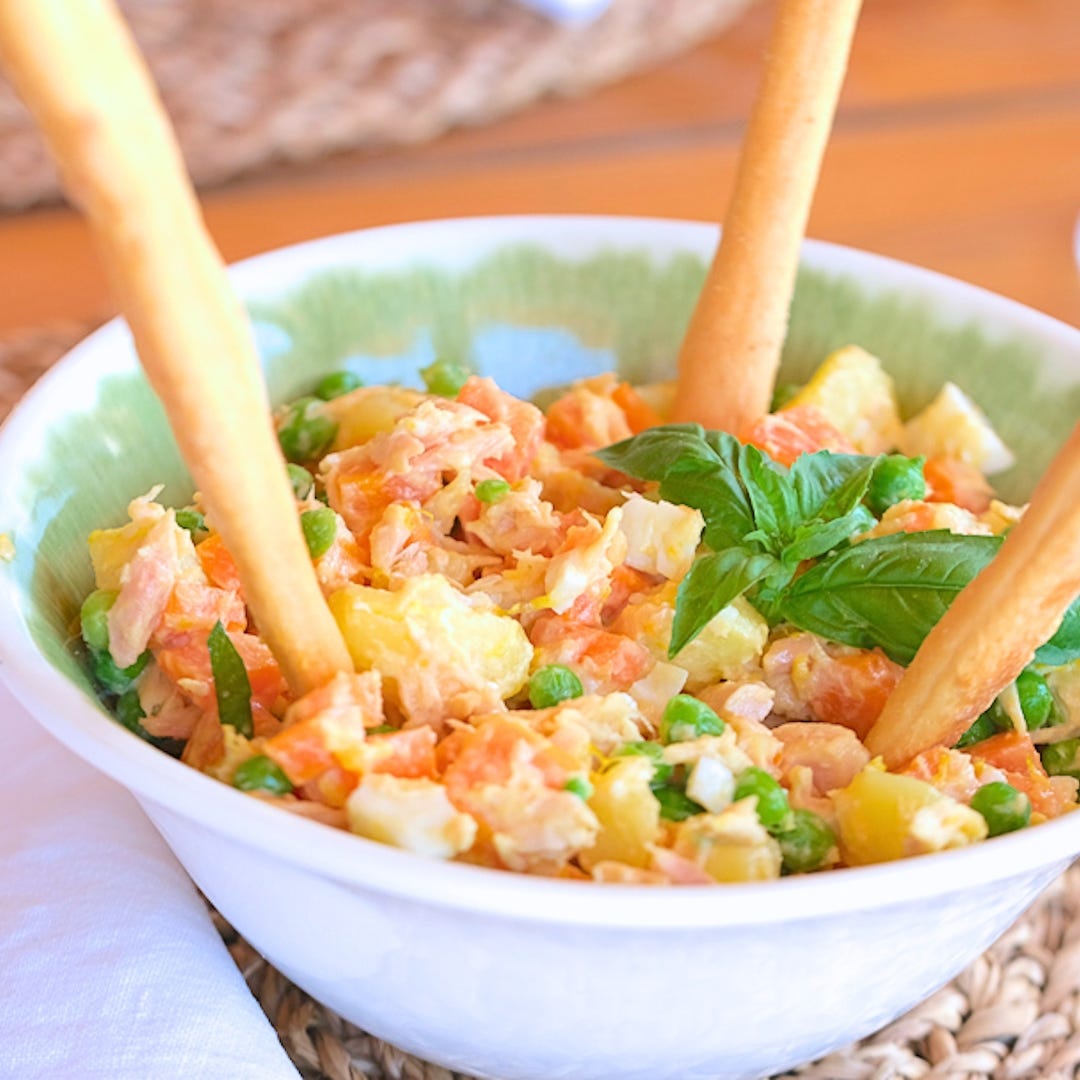
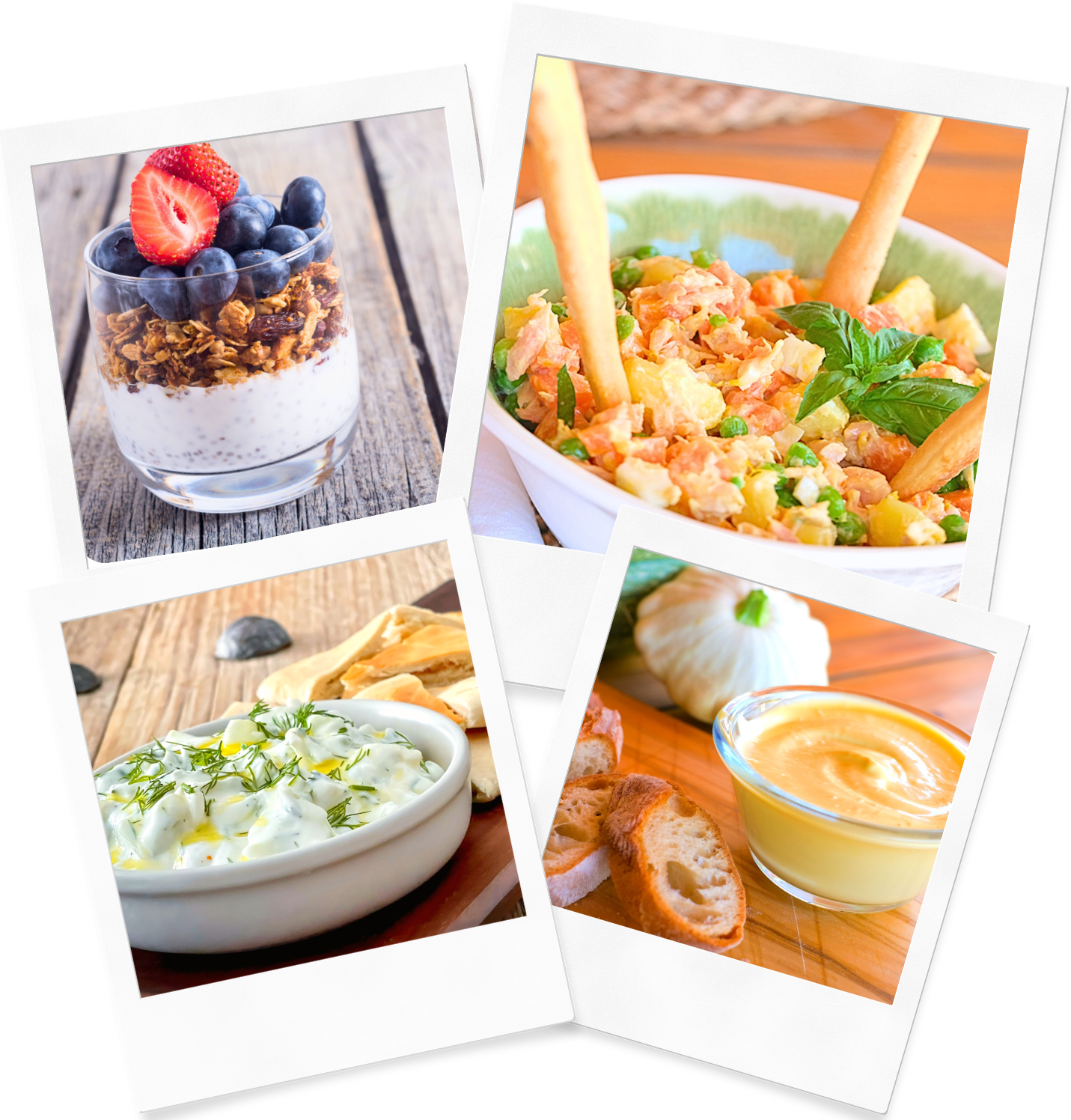
My version uses boiled potatoes and carrots, frozen peas, hard-boiled eggs, olive oil-packed tuna loosely drained, and homemade aioli — the garlicky olive oil mayo that is Spain’s answer to just about everything.
If I’m in a hurry, I just grab a jar of pickled vegetables from the pantry, blend in the potatoes, eggs, tuna and alioli and fold it all together in a bowl. Either way, it’s a incredibly flavorful “all-in-one” meal in a bowl. A simple Mediterranean lunch at the ready.


The aioli (garlic mayonnaise) recipe is in your PDF this week alongside the salad, because it deserves its own moment. Make more than you need — it keeps for a week in the fridge and earns its place on almost everything.
My tzatziki recipe is there too — another fermented-food classic, this time from the Greek side of the Mediterranean. Naturally-fermented yogurt, cucumber, garlic, dill, a drizzle of olive oil. It shows up in this week’s afternoon snack alongside Kalamata olives and a slice of Manchego cheese. Which means that one snack plate contains three different fermented foods without trying at all.
That’s kind of the whole point.
a note about today’s menu
The rest of the day follows the same thread — fermented ingredients woven in naturally from breakfast through dinner, with grilled sea bass and roasted vegetables over bulgur in the evening to round things out.
The full menu, complete shopping list, and three BONUS recipes are in your PDF below.
If you want some extra help in putting the recipes through their paces, you can make them right along with me by watching these videos:
If you’re already a paid subscriber, you know that these bonus recipes are just one of the small extras that show up pretty much every week — my way of saying thank you for being part of this community.
And if this email spikes your curiosity about what else you might find on my Substack to help you with your own healthy journey, I’d encourage you to consider moving from a free subscription to the full access paid option.
But right now, it’s time to pull up a chair, grab a glass or cup, and join me in my Mediterranean kitchen. The alioli is made. The potatoes are boiled. The olives are already on the table.
